Building envelope
- Moisture ingress and damp behind surfaces
- Heat loss and thermal bridging
- Missing, wet or uneven insulation
- Air leakage around openings
Gold Coast · Brisbane · Northern Rivers and beyond
Aerial thermal imaging that reads the heat behind a surface. Moisture, heat loss, roof leaks, electrical hotspots, revealed from the air, before they become the damage you can see.
Last updated
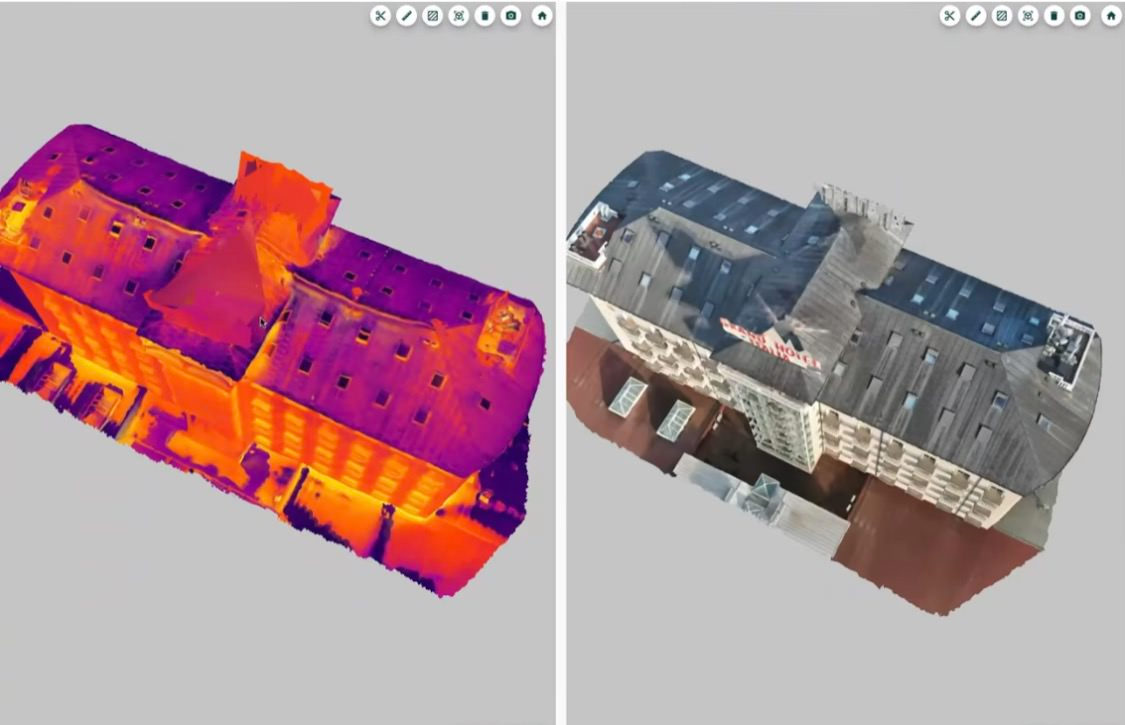
Moisture, a failing connection, a gap in the insulation, they all change the temperature of a surface long before they leave a stain, a scorch mark or a crack.
A thermal camera reads that difference. Flown on a drone, it covers a whole roof, facade or solar array in a single pass, safely and fast.
Thermal imaging identifies indicators that warrant closer investigation. It supports, and does not replace, a licensed building inspection, electrician or engineer.
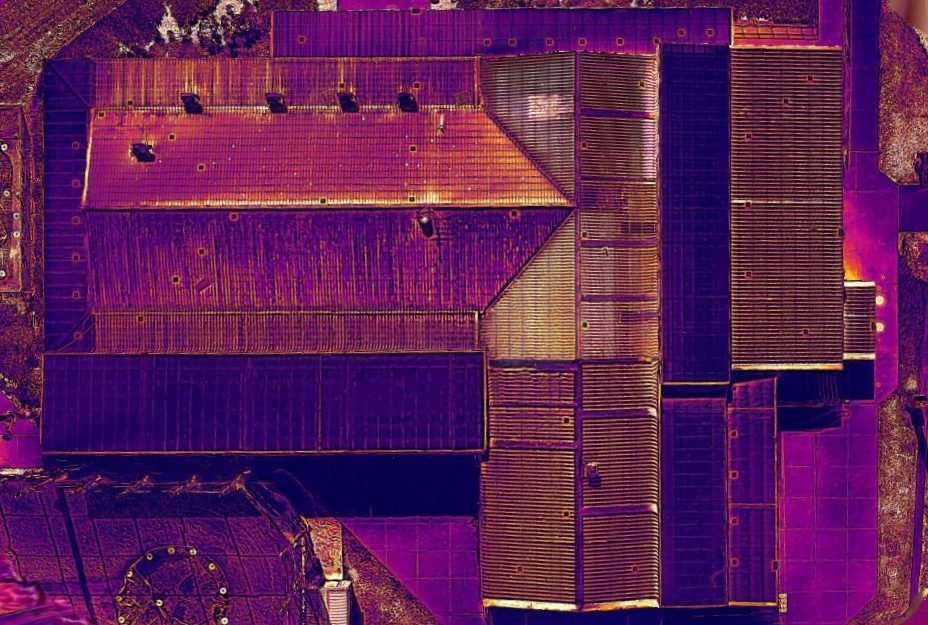
A thermal drone reaches the whole building envelope, roof planes, high facades, large solar arrays, without a ladder, a lift or anyone on the roof. It captures consistent imagery across the entire surface in a single flight, from angles a handheld camera on the ground can never reach.
Thermal detection is part of the Kybos Construction Dossier, captured alongside facade 3D capture as a documentation layer for the building’s outer envelope. Book it as part of a Dossier, or as a standalone inspection.
See the Construction Dossier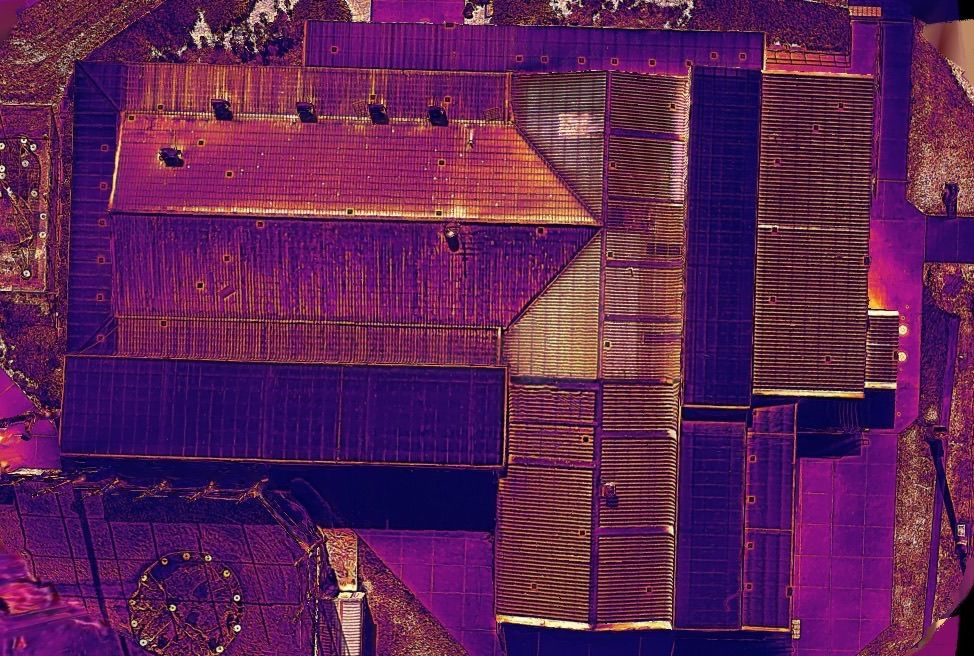
Thermal imaging reads surface temperature, so it reveals anything that shows up as a heat difference: moisture and damp behind surfaces, heat loss and insulation gaps, roof leaks and trapped moisture, electrical hotspots, and overheating plant or solar faults.
No. Thermal capture identifies indicators that warrant closer investigation. It supports, and does not replace, a licensed building inspection, electrician or engineer. Kybos captures and flags what the imaging reveals; the qualified professional makes the diagnosis.
A thermal drone reaches roofs, facades and large sites safely and fast, with no scaffold, ladder or roof access needed. It covers a whole building envelope or solar array in a single flight.
Yes. Thermal detection is part of the Construction Dossier as an exterior documentation layer, and can also be booked as a standalone inspection.
Thermal contrast is strongest when there is a temperature difference to read, often early morning or after a warm day for building envelopes, and under electrical or solar load for plant and panels. Kybos schedules the capture for the conditions that give the clearest result.
Tell us the site and what you’re chasing. Quote back within 24 hours.
Get a quote