Adjoining buildings
Walls, facades, roofs and finishes on every property that shares a boundary with the works.
Gold Coast · Brisbane · Northern Rivers and beyond
Dilapidation · Before you break ground
Record surrounding structures as a detailed, dated 3D baseline before work begins, giving everyone a clearer reference if questions or damage claims arise later.
Quick answer A dilapidation capture records the condition of adjacent properties, such as fences, kerbs, driveways and facades, in measurable 3D before work begins. The dated record shows what was already there, and it can also be added to Site Atlas.
Last updated
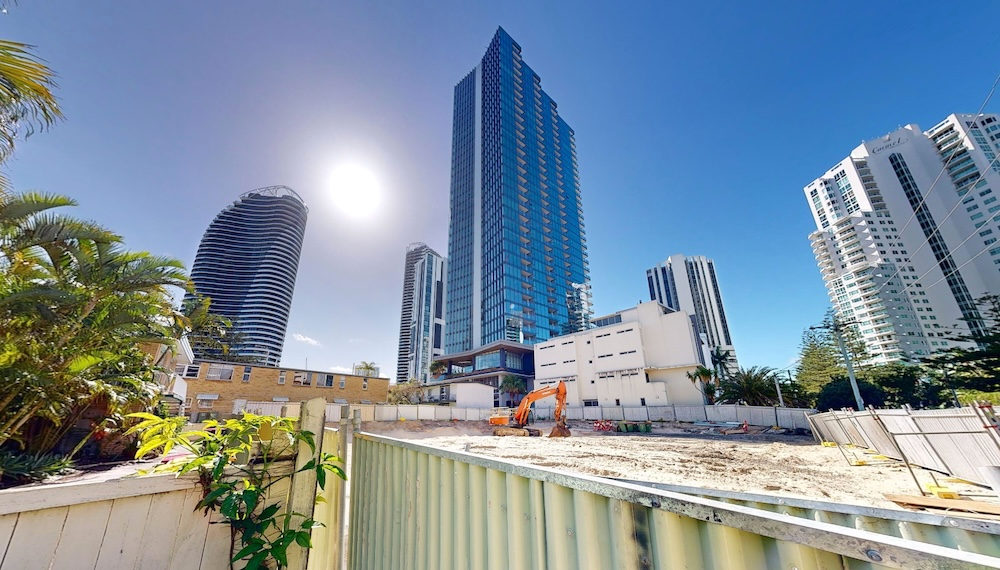
Excavation and demolition move ground that isn’t yours. Months later the owner next door notices a crack, and the question is whether your works caused it or it was already there.
Without a record from before you started, that’s a conversation about recollections and a few phone photos taken from the driveway. It’s a conversation nobody wins, and it’s expensive to lose.
With a dated 3D capture, it’s a comparison.
Walls, facades, roofs and finishes on every property that shares a boundary with the works.
Where access is granted. Ceilings, cornices, wet areas and floors, in the same pass.
Retaining walls, fences, driveways, paths and paving.
Footpaths, kerbs and road surface where the conditions extend to them.
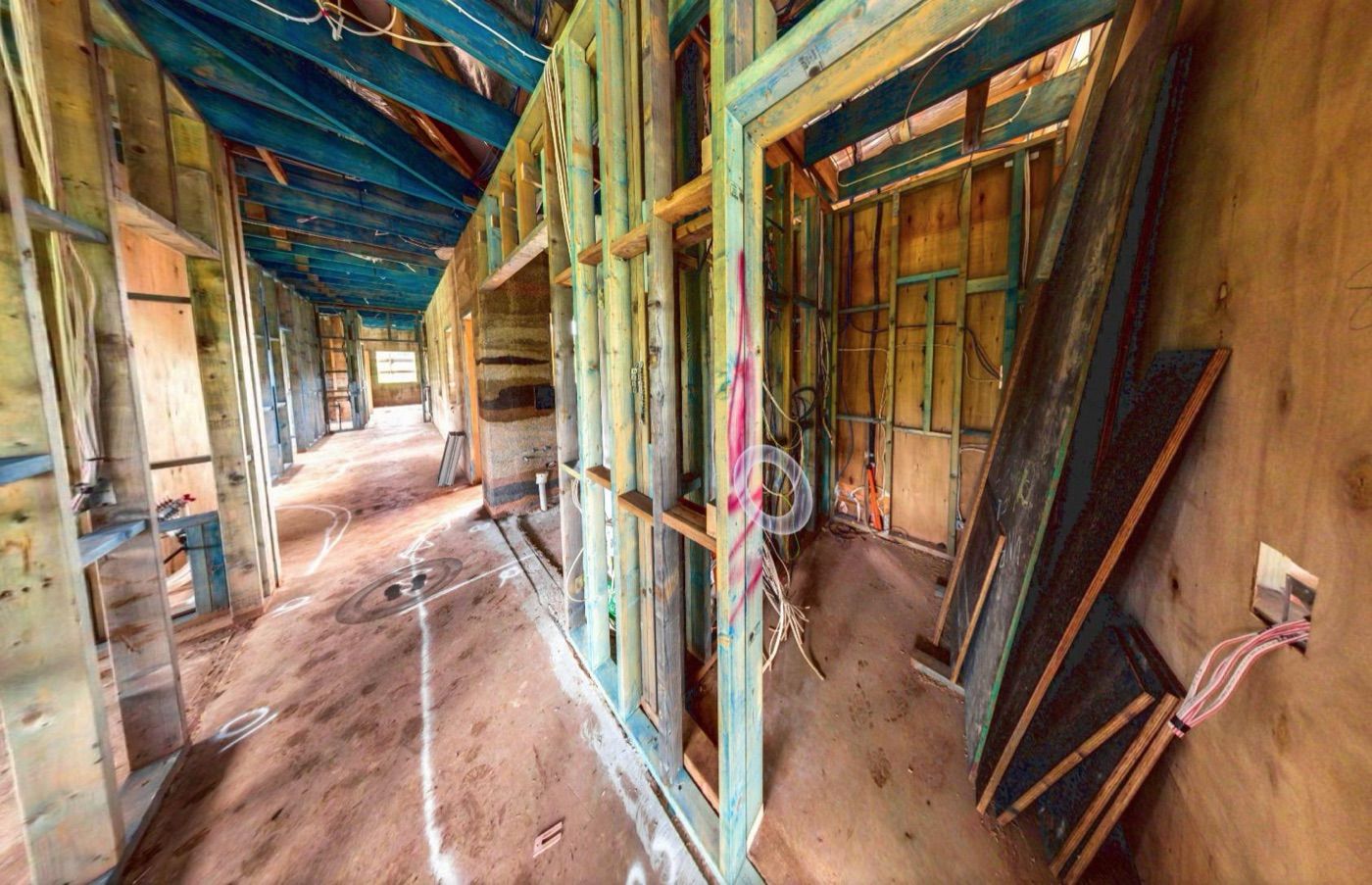
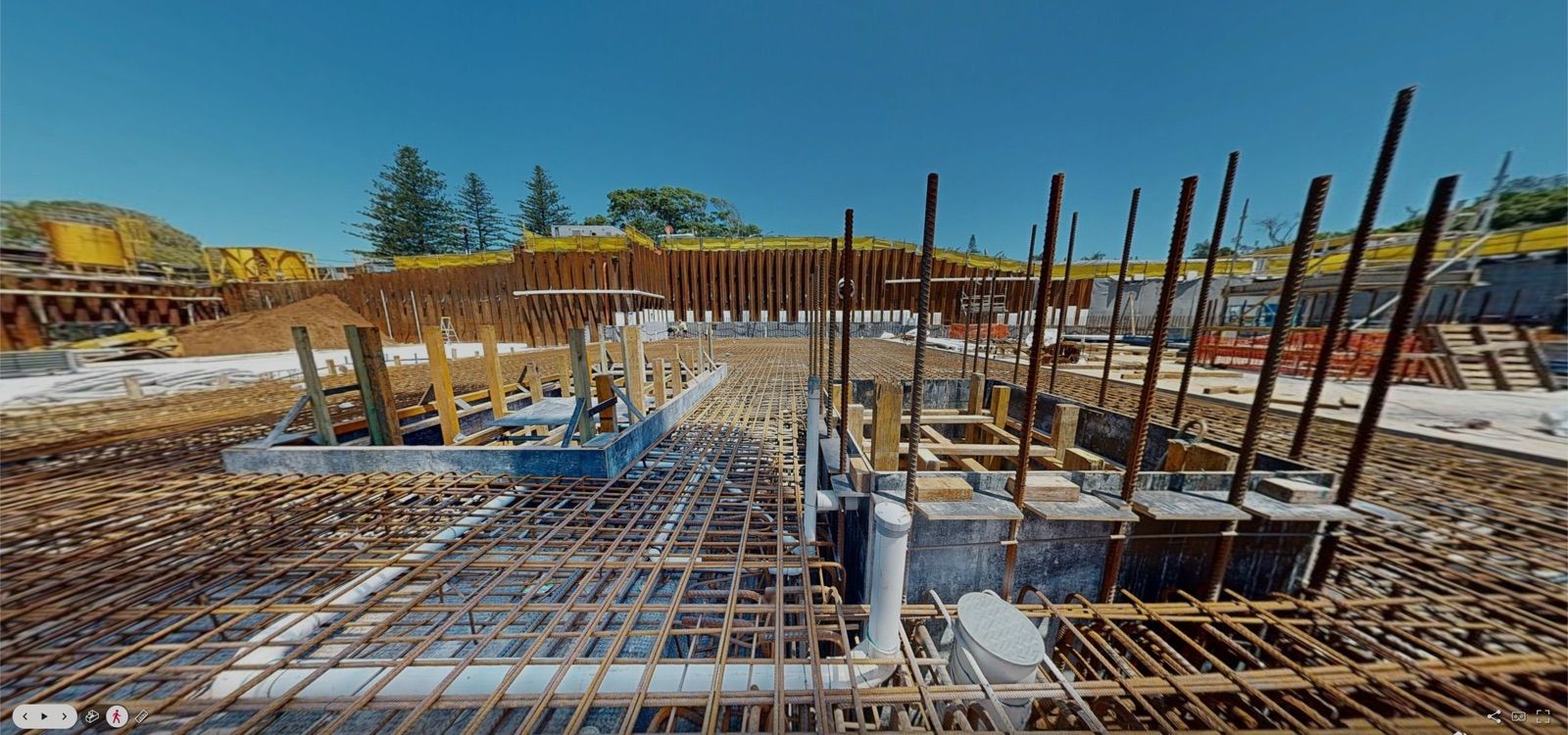
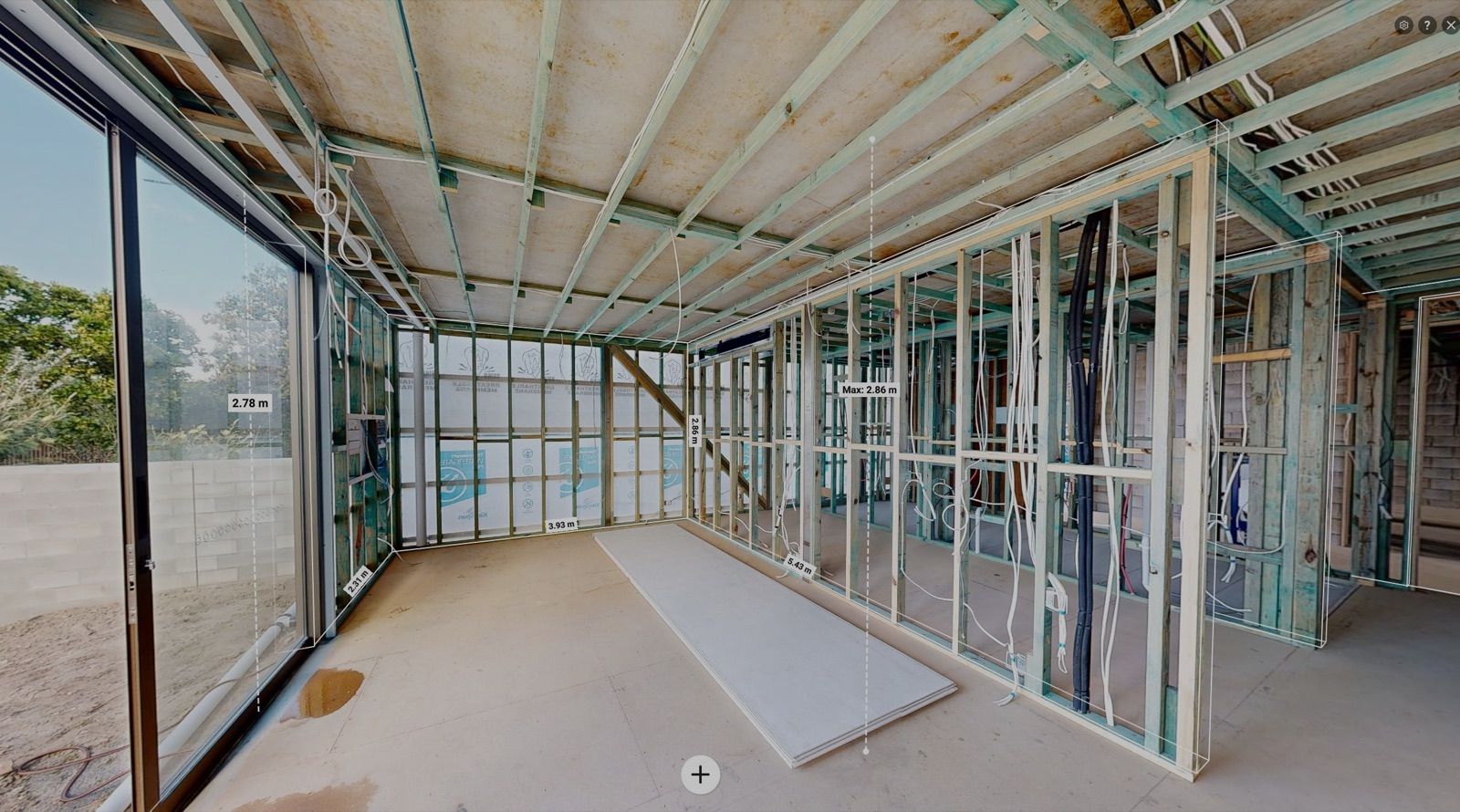
A traditional dilapidation record is a folder of stills and written notes. A 3D capture holds the whole property. Any point, any angle, measurable later, by anyone with the link.
Someone asks how wide that crack was in March. Open the capture and measure it.
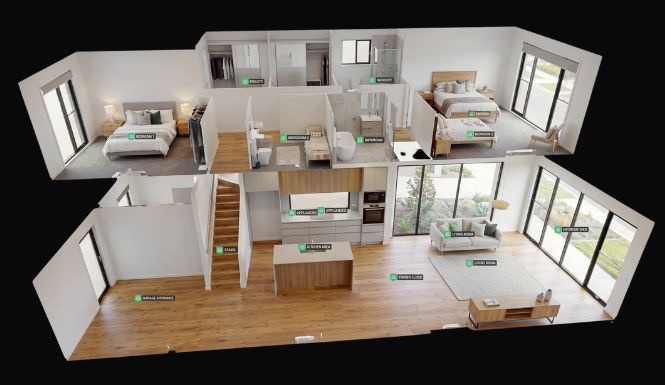
Move through the property from any position, not just the ones photographed.
Your consultant, your insurer, your client, the neighbour. No app, no login.
The same lots on a 69-lot estate, captured by our drone on 26-08-2026 and again on 10-10-2026. Drag the line across to compare them, then show what changed: what stands higher on the second date shows in copper, what sits lower in blue.
Both captures are real. The colours compare their heights: a guide to where to look, not a measurement.
You write the report. Kybos gives you a measurable 3D record to write it from, instead of a phone gallery and a tape. Book us as the capture crew and put your name on the assessment.
Your DA condition calls for dilapidation reporting. You’ll need a qualified assessor and you’ll need the site captured. We do the second part, and work alongside whoever does the first.
Works starting next door and you’d rather have your own record than rely on theirs. Capture is independent, dated, and yours.
Excavation, piling and demolition move ground that isn’t yours. A dated capture of every adjacent property before work starts is the reference everyone compares against.
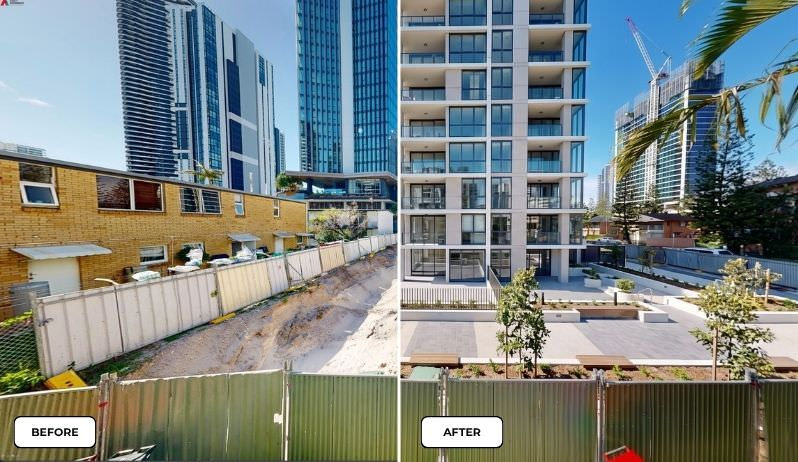
Most consent conditions call for a record before works and another once they’re finished. Same properties, same capture positions, so the two compare dimensionally rather than as a dispute about which photo was taken where.
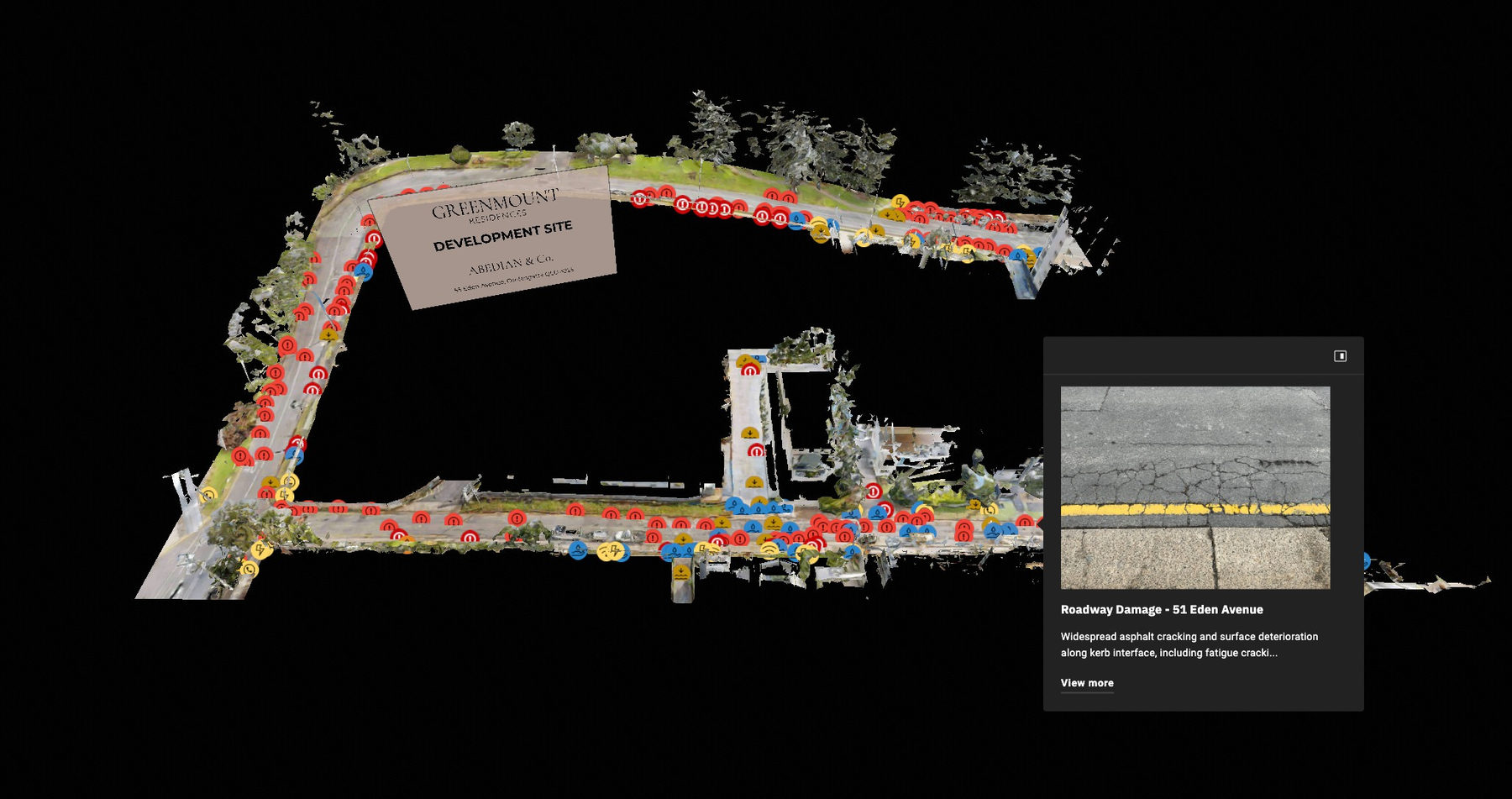
A traditional dilapidation record holds only what someone framed on the day. A 3D capture holds the whole property, measurable from any angle, months later, by anyone with the link.
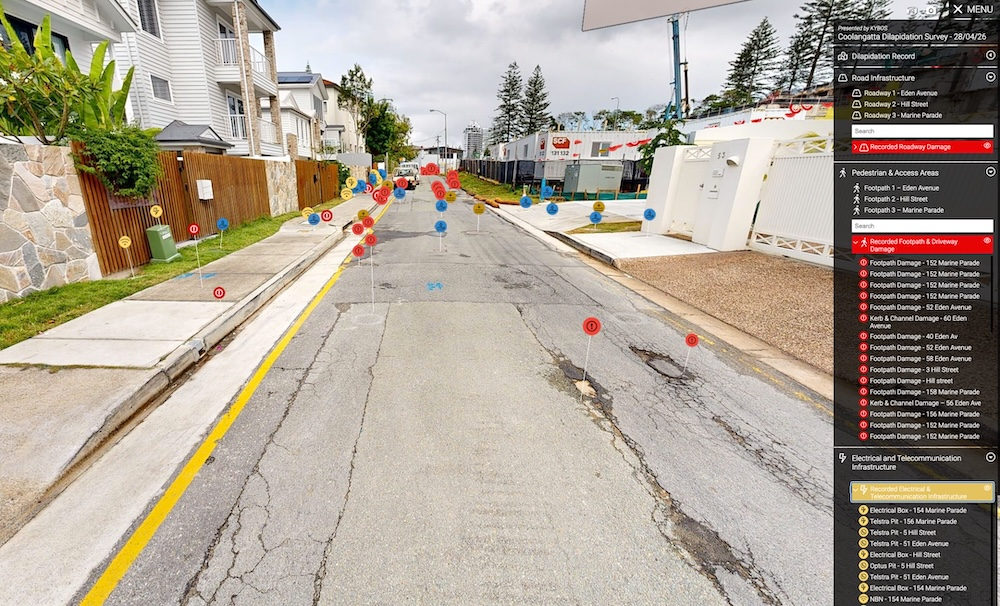
Most dilapidation capture is booked by building consultants and inspectors who need better source material than a tape and a camera. Kybos captures the site. The qualified person writes the report and puts their name on it.
Move around it, take a measurement, look at the wall from an angle nobody photographed.
No. Kybos captures the property in 3D. We don’t assess condition, attribute cause, or issue a report. In Queensland that’s work for a licensed building inspector, registered engineer or qualified building surveyor. We give them a better record to work from.
Because the record is the part that has to be right. A traditional record is 2D photos and notes. Ours is a measurable 3D capture where any point can be re-measured months later, from angles nobody thought to photograph at the time.
Before anything moves. Excavation, piling, demolition, even heavy vehicle movements. Once work has started, the baseline is gone.
Most conditions call for a record at both ends so the two can be compared. Same properties, same positions. Worth booking both up front.
Yes, and consent is arranged by the client before we attend. Where possible, exteriors are captured from your side or public land.
It depends on size but most residential adjoining-property captures are one to four hours on site. Delivery is 24 to 36 hours.
Quote back to you within 24 hours.
Get a quote