Gold Coast · Brisbane · Northern Rivers and beyond
Facility asset managementEvery building you look after, inside and out, on record.
Hospitals, substations, community halls, depots and offices, captured in 3D from the roof to the riser. Open any level, find any asset, compare any two dates, and send a link instead of booking a site visit.
Quick answer Kybos captures buildings and facilities in 3D, by drone outside and laser scanner inside, and turns them into a facility asset record: every level, room and piece of plant pinned where it sits, dated, measurable and shared on a link through Site Atlas. Councils, hospitals, utilities and facility managers use it for condition records, pre-disaster evidence, contractor briefing, training and handover. It works beside the asset register or CAFM they already run.
The register lists the asset. Nobody can see it from the desk.
A facility’s knowledge sits in spreadsheets, PDFs, old drawings and the heads of the people who have looked after it for years. When a pump fails, a contractor needs to quote or a storm comes through, someone has to drive out and look.
A 3D record puts all of it in one place you can open from anywhere: what is there, where it sits, what it looked like on a given day, and what has changed since.
03Real captures
One week on the Tweed Coast. Three kinds of facility.
Health
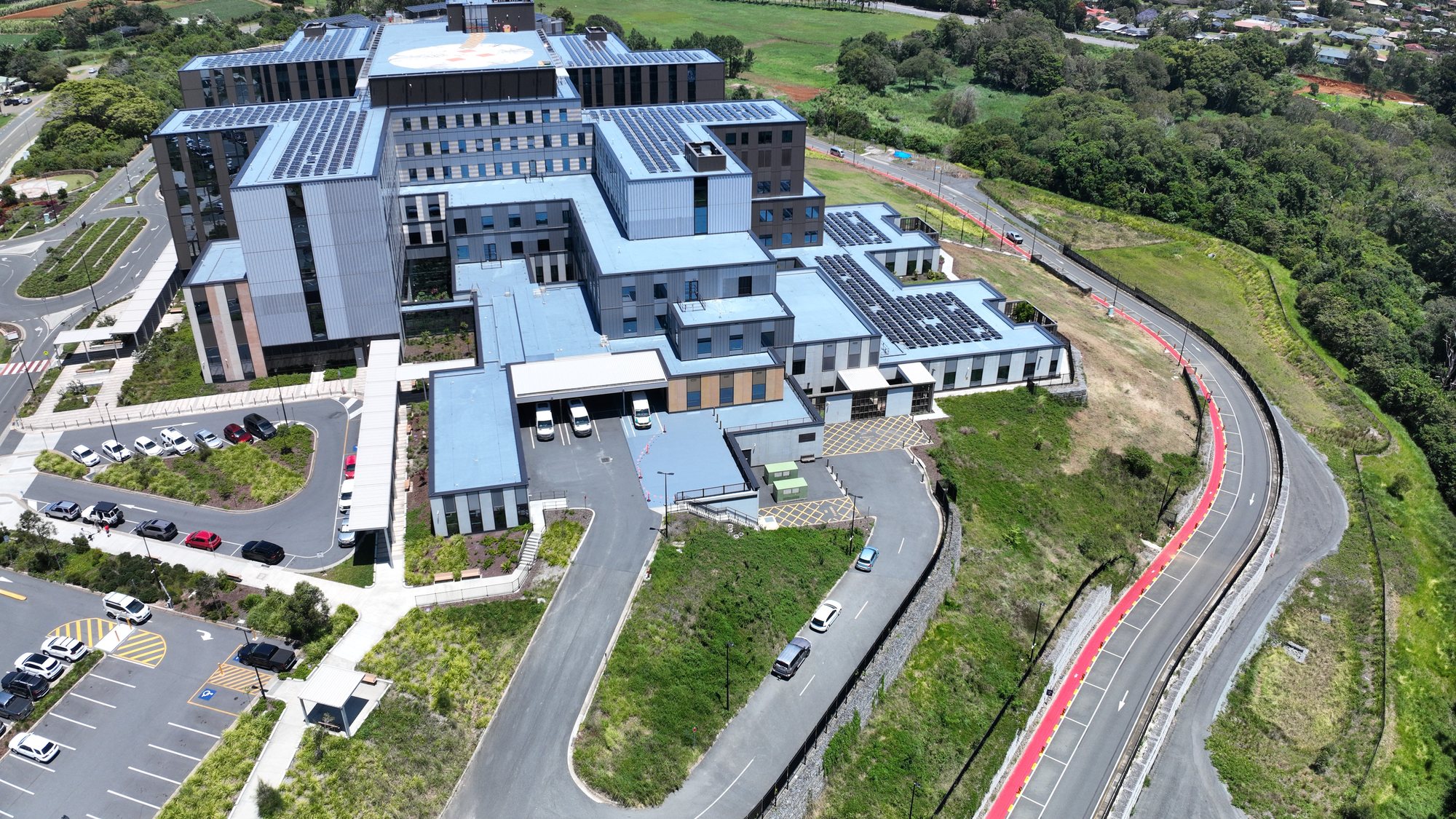
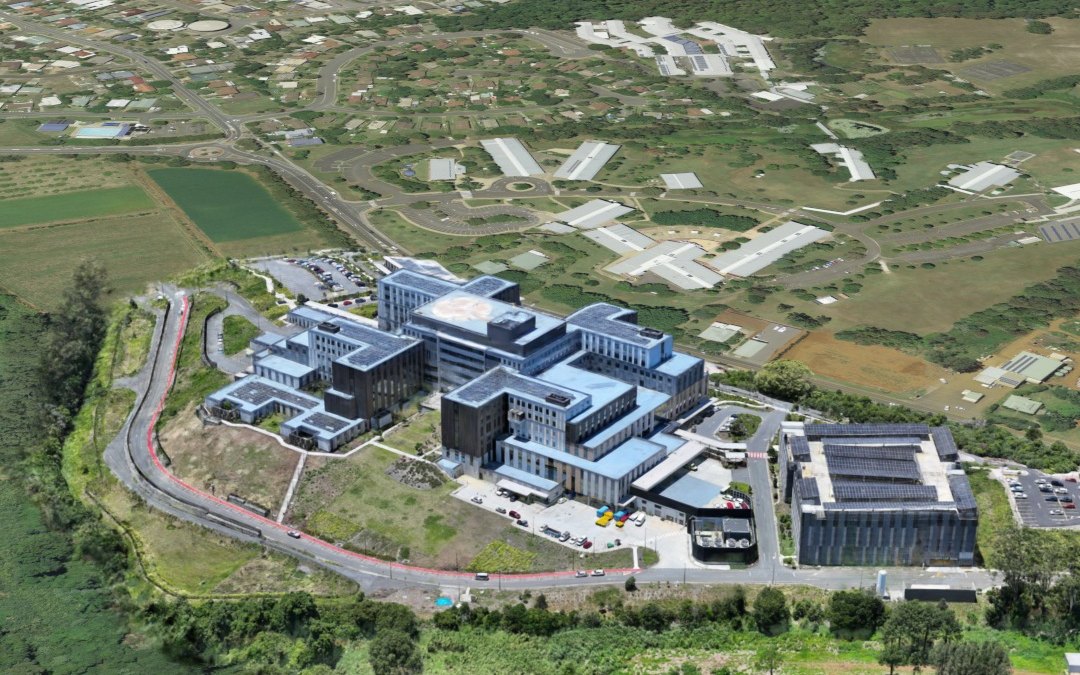
A regional hospital, floor by floor
279 drone photos from one short flight, turned into a photoreal 3D capture of the whole campus. In Site Atlas the main building opens one floor at a time, from the basement to the plant level, each with its own areas and records.
Utility
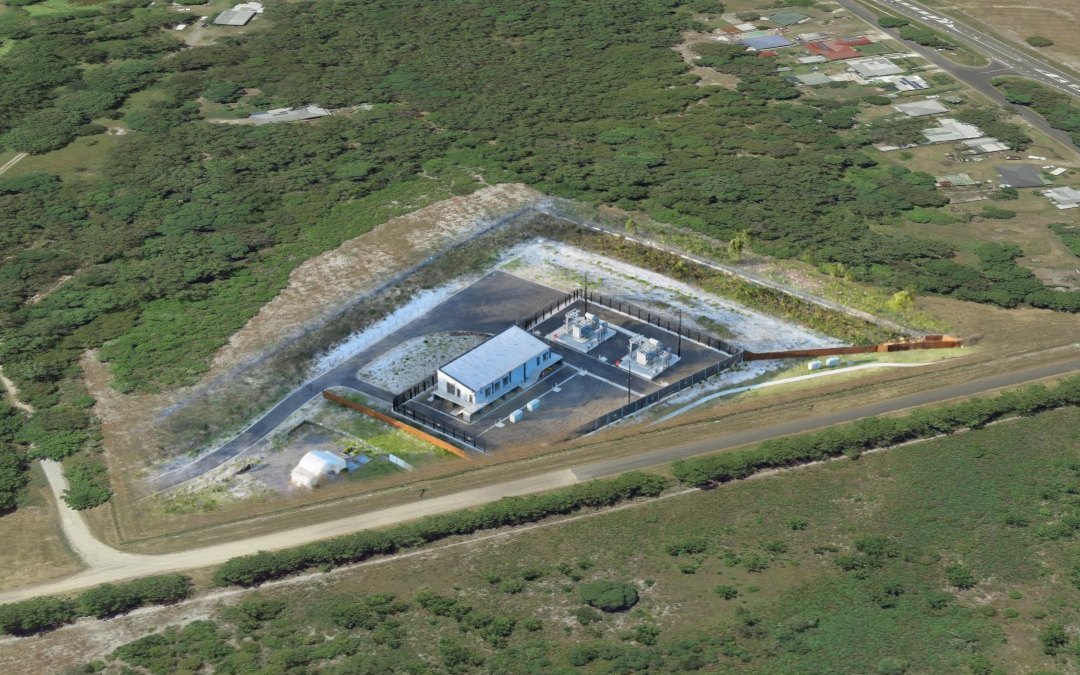
A zone substation, without opening the gate
A four-minute drone flight around a live substation. Fencing, buildings, switchyard and access road on record and measurable from the desk, with nobody near live equipment.
Inside the walls
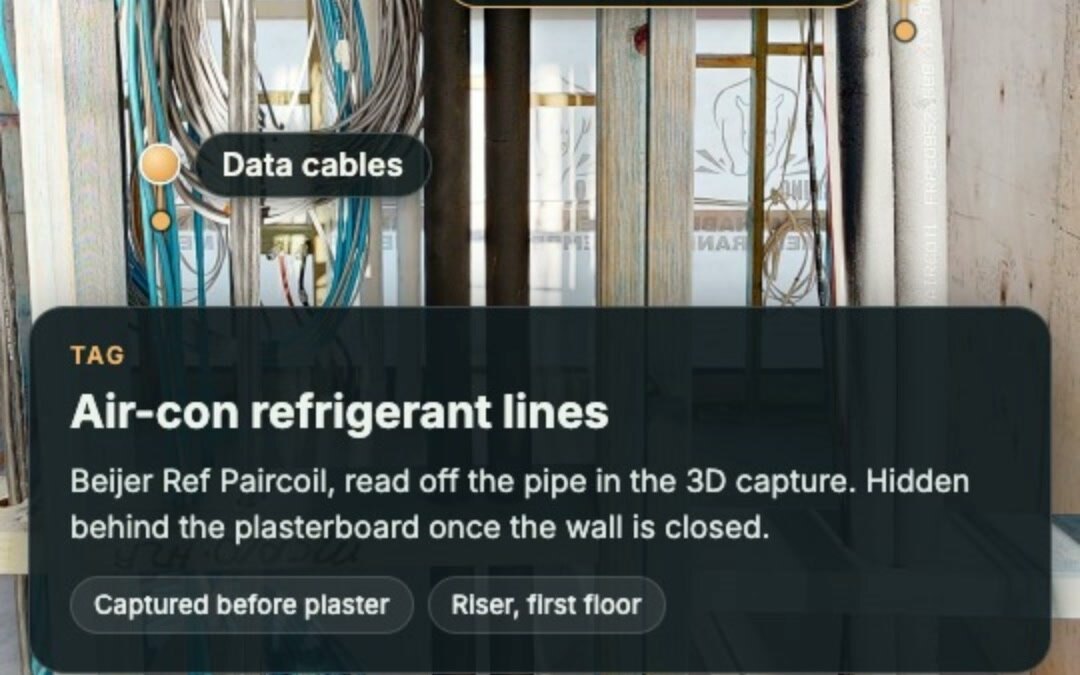
A services riser, tagged before the plaster
Pipes and cables captured before the walls were lined, each tagged in the 3D capture with what it is, so the next trade knows what sits behind the plasterboard.
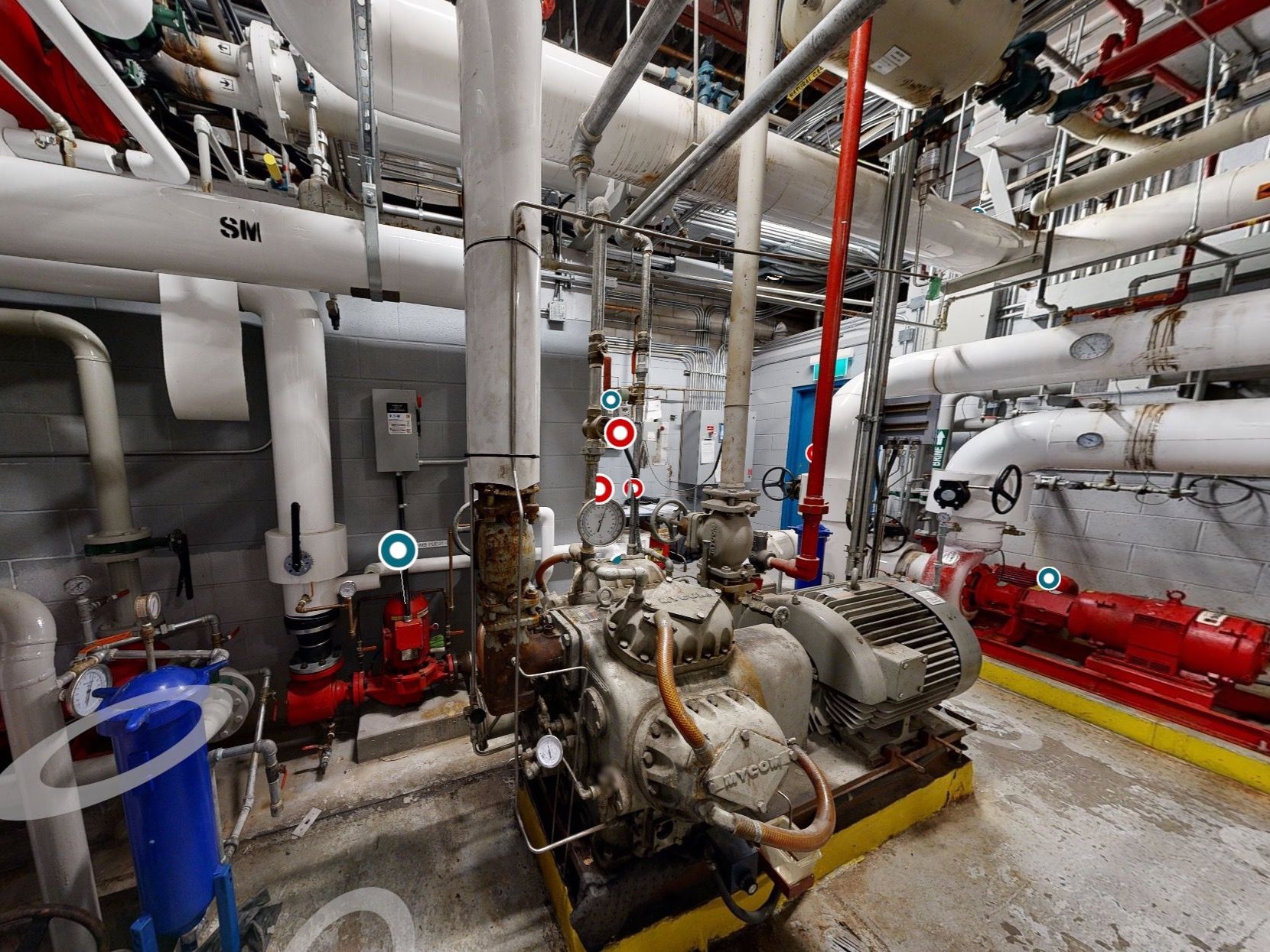
Every pump, valve and gauge, tagged where it sits.
Plant rooms are where a 3D record pays for itself. Every pump, valve, gauge and switchboard is pinned in the capture, with its make, model, condition and manuals one tap away.
A contractor sees the exact item, the access and the isolators before they arrive, and quotes the job without a site visit.
Industry example of a tagged plant-room 3D capture (not Kybos work).
05Before the next flood
After the flood, can you prove what it looked like before?
To claim disaster recovery funding in NSW, an asset owner has to show the asset’s location, nature and condition before the disaster. Photos and video come first on the NSW Reconstruction Authority’s list of preferred evidence, and the evidence must be no older than four years for council assets and two years for state assets.
A dated 3D capture of every building is that record, made before it is needed. Capture again after major works and every few years, and it stays inside the window.
06What it does
Nine things a 3D record does for a facility team.
01
Condition you can see, date by date
Every capture is dated. Compare any two and see what has worn, moved or been added.
02
Inspect without the site visit
Check a roof, a plant room or a switchyard from the desk, then send the contractor straight to the problem.
03
Know what’s behind the wall
Services captured before lining stay visible for the life of the building.
04
Every asset tagged
Open a pump, a board or a valve to see its record: what it is, its condition, its manuals and the last inspection.
05
Measure from the desk
Take distances, heights and areas in the browser before quoting, ordering or planning works.
06
Train before anyone arrives
New staff and contractors find the exits, isolators and plant rooms before their first day on site.
07
Knowledge that doesn’t retire
What your longest-serving maintenance lead knows gets pinned to the model, not lost when they leave.
08
Know what you inherited
Take over a new or acquired building with a dated record of exactly how it was handed over.
09
Every site on one map
Site Atlas puts the whole portfolio on one map: any building, any level, any capture.
07Compare any two dates
Capture again. See what changed.
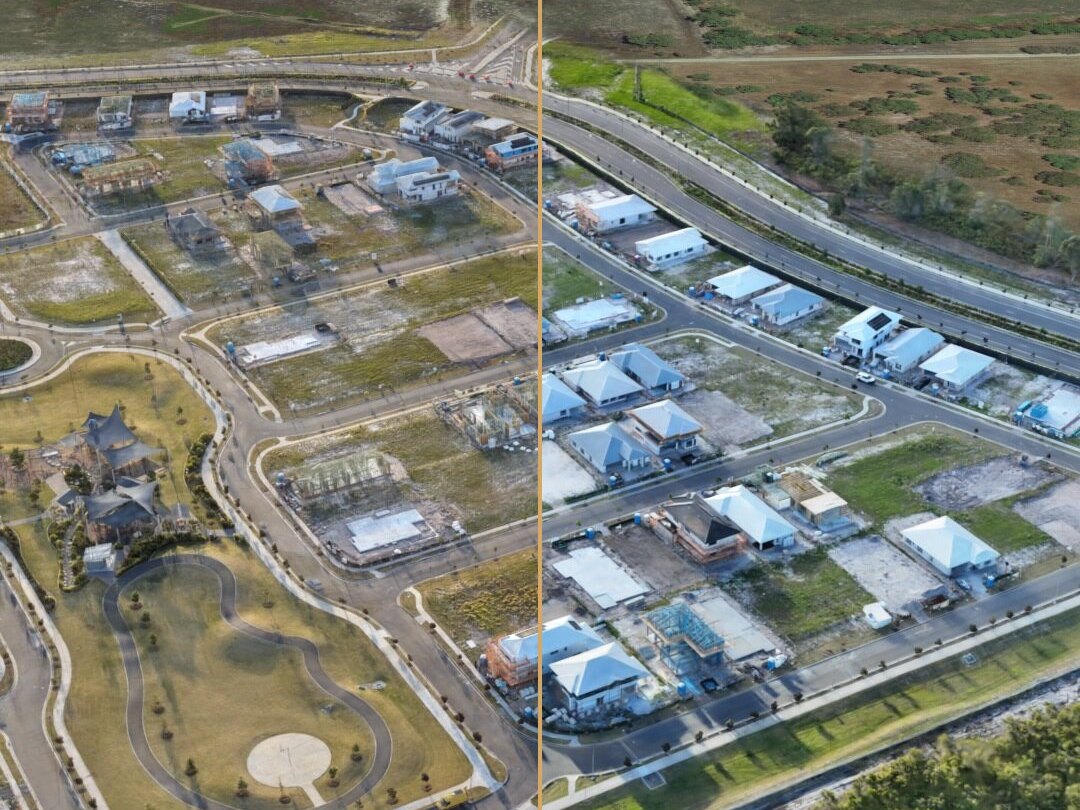
Each new capture lines up with the last. Slide between them or put them side by side to see works progress, wear, storm damage, or anything added without approval.
Drone outside, laser scanner and 360° capture inside, usually in a single visit per building.
Step 2
Organise
Levels, rooms and zones set up, and assets tagged where they sit. IFC or Revit models when you need them.
Step 3
Share
One Site Atlas link for the team, with roles and passwords. Files delivered in open formats you own.
Step 4
Keep current
Capture again every year, after major works or after a storm, and compare.
09Your data
Open formats, owned by you.
Point clouds in E57 and LAS, drawings in PDF and DWG, models in Revit and IFC, orthomosaics in GeoTIFF and meshes in OBJ, plus the browser link for everyone else. Nothing is locked into Kybos, and it sits beside the asset register or CAFM you already run.
10Security
Built for sensitive sites.
Data is encrypted in transit (TLS 1.2+) and at rest (AES 256-bit), with role-based access, password protection and private token links, on ISO 27001, ISO 27018 and SOC 2 Type II certified infrastructure.
Plant, switchrooms and other sensitive areas can be masked or left out, offline delivery is available, and Kybos works under NDA for health, utility, government and defence sites.
11Start small
Start with three buildings.
Pick three buildings that matter: one old, one busy, one at risk. Kybos captures them, sets them up in Site Atlas and hands over the files. Your team uses them for a few months, then decides how far to take it.
12Questions
Plain answers.
01What is 3D facility asset management?
It is a measured, photoreal 3D record of a building or facility, with each asset pinned where it sits and its condition, documents and history attached. Teams open it in a browser to find, check and compare assets without a site visit.
02Does it replace our asset register or CAFM?
No. It works beside them. The register keeps the financial and maintenance data; the 3D record adds where each asset physically is and what it looked like on the day it was captured.
03Can you capture live or sensitive sites like substations and hospitals?
Yes. The outside is captured by drone without entering the site, and the inside with an escort under your site rules. Sensitive areas can be masked or left out, and Kybos works under NDA.
04Does a 3D capture count as pre-disaster evidence?
It gives you dated photos, video and 3D data with time and location kept, which are the kinds of evidence the NSW Reconstruction Authority lists. Whether a claim is accepted is decided by the assessing authority.
05How often should a facility be captured again?
Most owners capture once a year, and again after major works or a storm. For flood evidence in NSW, the latest capture needs to be no older than four years for council assets and two for state assets.
06How much does it cost?
It depends on the number of buildings, their size and what goes inside them. Send the list of sites and you’ll get a quote back within 24 hours.